Most Aussie punters reckon Pai Gow Poker is just another slow table game, but the real cost usually shows up in the decisions you make before you even touch the cards. I’ve spent years building and operating scalable tech and commercial ventures, and the same discipline applies here: you don’t scale a bad process, and you don’t bank a rushed hand. If you’re weighing whether a new platform deserves your arvo session, treat the game like an operator-investor would – look at the rules, the pace, and the ongoing value after the welcome offer, not just the first deposit. A solid roo casino login gets you in the door, but the mistakes below are what separate a calm session from a costly one.
What to weigh before you press deal
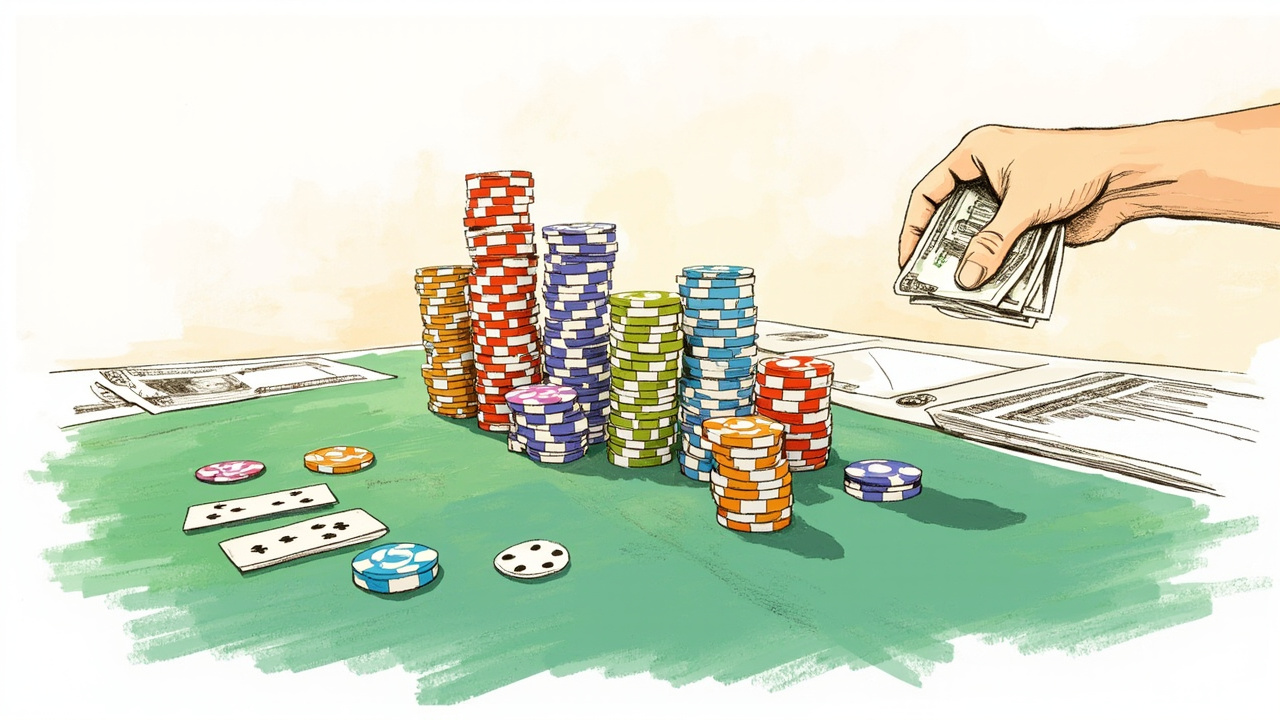
The first mistake players make is treating the two hands like a single poker decision. You’re building a high hand and a low hand from seven cards, and the low must always rank below the high. I’ve seen commercial rollouts fail because teams optimised one metric while ignoring the constraint that held the whole system together; Pai Gow works the same way. If you set your hands without respecting that rule, the dealer’s house edge quietly compounds over every session. Before you commit time or bankroll, ask yourself whether you understand the house way, whether you’re comfortable setting hands under pressure, and whether the table pace suits your temperament. Older Aussies still call pressing the button “pulling the pokies,” a nod to the lever era, but that nostalgia doesn’t help when you’re juggling two separate rankings. The smarter call is to treat each hand as its own commercial decision: what’s the expected value, what’s the risk of a push, and what’s the cost of a mis-set low hand that kills your high. If a platform’s interface buries the house rules or rushes you through setup, walk on. The right environment gives you space to set, confirms the rule set clearly, and doesn’t penalise careful play with a ticking clock.
| Detail | What it means for your play |
|---|---|
| Game format | Seven-card hand split into high and low, low must rank below high |
| Pace | Slower than most table games, which rewards patience over impulse |
| House edge | Built into the commission and the dealer’s set; discipline matters more than luck |
| Session fit | Better for players who can commit to a full arvo rather than quick bursts |
Where the common blunder actually lives
A lot of players think the biggest mistake is chasing a bigger high hand and ignoring the low, but the reality is more nuanced. The house way isn’t a suggestion – it’s the baseline the dealer follows, and deviating from it without a clear reason usually hands the edge back to the table. I’ve backed operators who scaled fast by standardising the boring parts first; Pai Gow rewards the same habit. Set your low hand defensively, keep your high hand competitive, and don’t overbuild one side at the expense of the other. The second trap is pressing play when you’re tired or distracted. This game is busy as a proper weekend shift in Cairns during the dry season – if you’re not reading your own cards properly, you’re just funding the commission. A third mistake is assuming the slow pace means the game is forgiving. It isn’t. The margin comes from repetition, from setting hands consistently, and from knowing when a push is a better outcome than a forced gamble. If you’re looking at a platform that dangles a one-off bonus but offers nothing recurring, you’re signing up for a single session, not a habit. The better question is whether the site supports repeat play through cashback, loyalty tiers, or regular tournaments that actually reward time on table.
How to decide if the table fits your routine
Before you lock in a session, weigh three practical questions. First, does the platform make the house way and commission clear before you bet, or do you have to hunt for it? Second, are the recurring promos and loyalty rewards structured around repeat play, or are they a one-off sugar rush that disappears after the first deposit? Third, does the mobile layout let you set hands without squinting at a compressed screen, because a rushed tap on a phone is where most bad splits happen. I’ve seen ventures grow when the commercial model matched the user’s actual behaviour, and shrink when it didn’t; the same test applies here. If you’re in Cairns and you want a reliable arvo session, look for a site that keeps the table pace steady, explains the set rules plainly, and backs regular players with cashback or a loyalty ladder that actually climbs. If you’re curious about the wider psychology of when to hold back, you can read more on when to bluff in poker – the timing principle translates, even if the game differs. The right call isn’t about chasing a big hand; it’s about matching the game’s rhythm to your own, keeping your sets disciplined, and choosing a platform that treats ongoing play as more than a single welcome splash.

Pai Gow Poker mistakes usually come down to impatience, misreading the two-hand rule, and signing up for a platform that only cares about your first deposit. Treat the game like a measured commercial decision: confirm the house way, set your hands with the low constraint in mind, and pick a site that rewards repeat sessions with cashback, loyalty, or tournaments rather than a one-off bonus. If the pace suits you and the rules are clear, you’ll avoid the costly blunders that turn a quiet table into a steep lesson.